RNG Calibration and Its Role in Sustaining Player Engagement in Digital Table Games
Elena Berger · Oct 10, 2026
RNG Calibration and Its Role in Sustaining Player Engagement in Digital Table Games
Digital table game platforms rely on random number generators to simulate outcomes in games such as blackjack, roulette, and baccarat, and calibration processes adjust the statistical parameters that shape those outcomes over extended periods. Researchers track how these adjustments influence player behavior metrics including session length, return visit frequency, and overall account activity, with data drawn from operator logs spanning multiple jurisdictions.
Core Mechanics of RNG Calibration in Table Games
Calibration involves fine-tuning the algorithms that determine card shuffles, wheel spins, and dice rolls so that long-term results align with expected probabilities while meeting regulatory standards for fairness. Operators apply periodic recalibrations based on performance data, and these changes can alter short-term variance without shifting the house edge. Studies from institutions like the University of Nevada, Las Vegas show that players encounter different distributions of wins and losses depending on the calibration cycle in use, which in turn affects how long individuals continue engaging with a particular platform.
Calibration parameters often incorporate historical play patterns across thousands of sessions, and adjustments occur quarterly or in response to detected anomalies in outcome distribution. Technicians monitor metrics such as hit frequency on specific bets and adjust seed values or distribution curves accordingly, while external audits verify compliance with standards set by bodies including the Nevada Gaming Control Board.
Data Patterns Linking Calibration to Retention Metrics
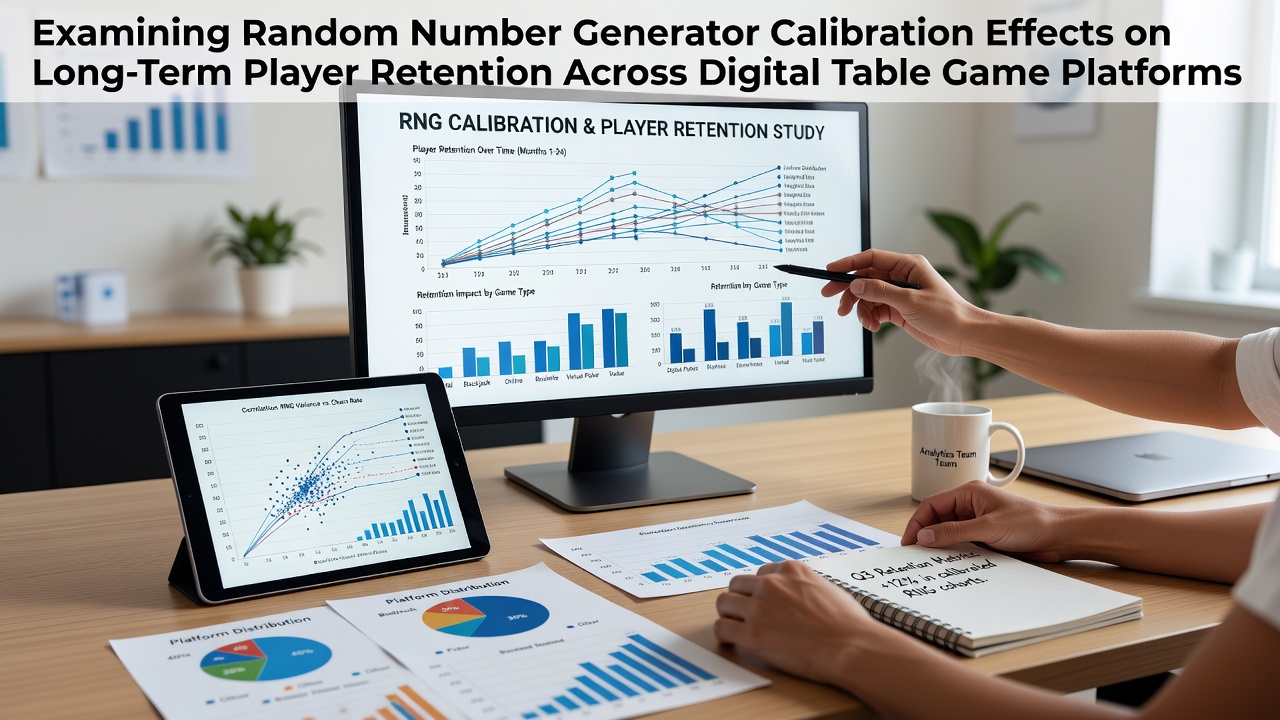
Analysis of platform data reveals correlations between calibration settings and player retention rates measured over six to twelve months. Platforms that maintain tighter calibration windows around theoretical return-to-player percentages report steadier session durations, whereas wider variance settings correlate with higher churn after initial play periods. Figures from industry reports indicate that a one-percent shift in short-term payout clustering can influence repeat login rates by measurable margins across user cohorts segmented by activity level.
One longitudinal review conducted across North American and European operators found that players exposed to recalibrated RNG sequences in roulette variants showed increased average session counts when the calibration emphasized balanced distribution over several thousand spins. Those same datasets indicated that abrupt calibration changes without player communication led to measurable drops in weekly active users during the following month.

Regional Regulatory Approaches and Industry Standards
Regulatory frameworks in different regions impose distinct requirements on how calibration occurs and how often independent verification takes place. Australian authorities through the Northern Territory Racing Commission require operators to submit calibration logs for review on a scheduled basis, while Canadian provincial regulators such as the Alcohol and Gaming Commission of Ontario mandate real-time monitoring interfaces for RNG output. These varying rules shape the types of calibration adjustments platforms can implement without triggering additional oversight.
Industry associations including the European Gaming and Betting Association publish guidelines that recommend transparent communication about calibration cycles to maintain player trust. Data shared at association conferences in 2025 highlighted retention differences between platforms that publish calibration summaries and those that keep such information internal, though the precise mechanisms behind these differences remain under further examination by academic teams.
October 2026 Developments in Platform Testing
During October 2026 several major operators introduced enhanced calibration testing protocols that incorporate machine learning models to predict retention shifts before full deployment. Early results from these pilots indicate that preemptive adjustments based on simulated player cohorts can stabilize retention curves across digital table game libraries. Observers note that platforms adopting these methods experienced fewer fluctuations in monthly active user counts compared with control groups using traditional quarterly reviews.
These updates coincide with broader industry shifts toward real-time calibration monitoring tools that allow operators to respond to emerging patterns within days rather than weeks. Research teams at multiple universities continue to analyze anonymized datasets from participating platforms to isolate the specific calibration variables most strongly tied to long-term engagement.
Conclusion
Calibration of random number generators represents a technical process with documented connections to player retention patterns on digital table game platforms. Available data from regulatory reports, operator logs, and academic studies demonstrate measurable relationships between adjustment frequency, variance settings, and sustained user activity. Continued examination across jurisdictions will clarify which calibration practices most consistently support extended engagement while satisfying fairness requirements.